
LIVINGSTON - Scotland’s fifth & final planned town


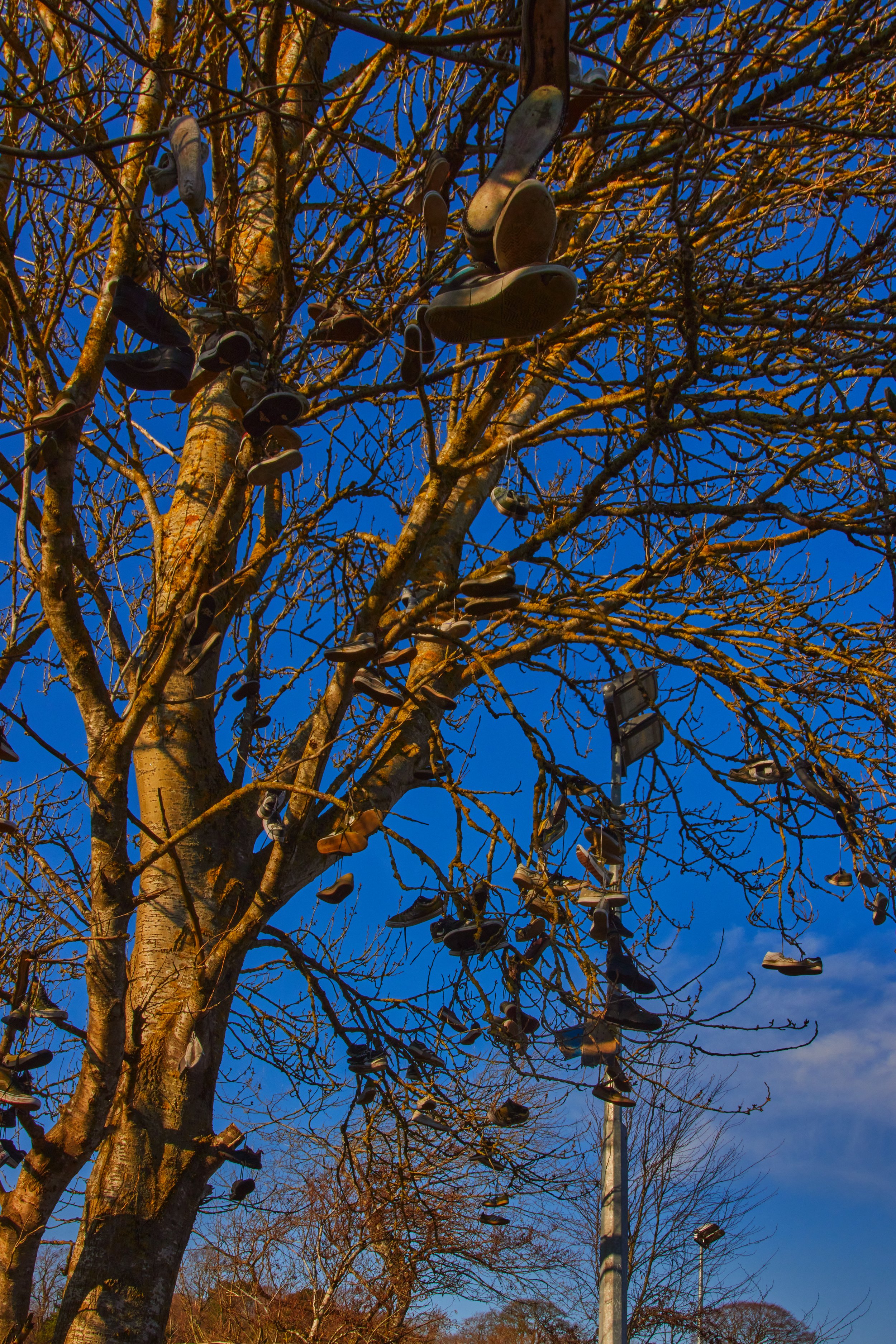
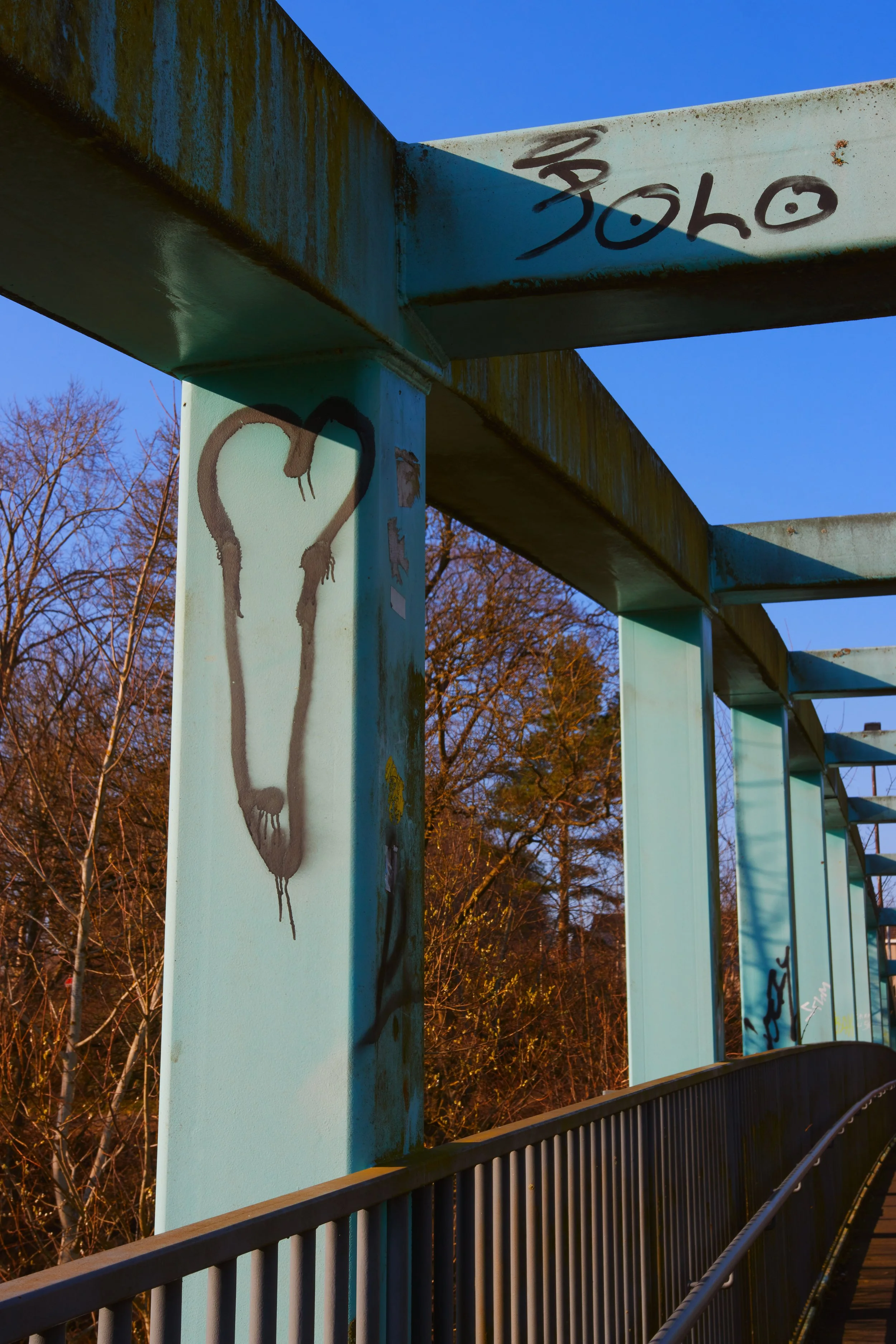


My enthusiasm for ‘New Towns’ has been well documented, since the pandemic of 2020 I have spent a lot of my time exploring documenting and learning about these grand utopian, sociological infrastructure experiments. Along with Irvine in Ayrshire and Stonehouse (scrapped), Livingston was the last phase (Mark Two New Town) of Scotland’s planned town initiative, brought about by the New Towns Act of 1946. Livingston was the last new town to dissolve it’s development corporation in 1997. It is the only planned town I hadn’t visited; until now…
The concepts of New Towns in the modern era seems, so far fetched and pie in the sky. With capitalism so dreadfully engrained in our culture and municipal projects the utopian ideas, of cheap, plentiful and spacious housing, with green space, amenities, walk ways and good transport links now seems almost laughable. In the dog eat dog realm of globalism any kind of socialist ideal of everyone pulling together to enable upward mobility is now just a sad joke. I’m not going to say the Scotlands’s New Towns have been a resounding success, but when you consider what existed in this country between the wars and what existed 10 years after WWii the change was rapid and largely positive. I think there are many reasons that New Towns have failed, but the main reasons appear to be greed, laziness and incompetence on behalf of those in power… The establishment, planning and building of these new towns were founded on traits that are the opposite of what caused their demise.
Ground was broken for Livingston New Town in 1962 with the building of the development corporations head quarters Pentland House, which was demolished in 2018. An article I found on the demolition states.
“Few will morn the passing of Pentland House. The building and its surroundings have appeared sad and shabby in recent years, and the accommodation it provided no longer serves modern needs. It is unfortunate however to lose a further link with the brave and distinctive vision that once existed for the new town, as Livingston dissolves into faceless fields of retail parks that might be anywhere in the world.”
- https://www.scottishshale.co.uk/stories/farewell-pentland-house/
There were two main reasons for establishing Livingston where it is. It’s proximity to Glasgow and Edinburgh and it’s Shale Oil Industry. The development spans the width of the Almond valley and the road flyover that crosses this valley was one of the largest to have been built at the time, mirroring the victorian viaduct that was built in 1842 further up the valley. This behemoth, concrete super structure forms the backbone of the town and utilises incredibly disorientating exit ramps which run in spiralled loops giving access to most of the housing estates. The Livingston Development Corporation did a good job of making the New Town profitable and it transitioned well from Shale Oil becoming one of the bastions of ‘Slicone Glen’ attracting large electronics companies like Hitachi, Mitsubishi, Raytheon 💀, IBM, Texas Instruments and Motorola to name a few. Although the micro electronics industry is much depleted it does persist, though most economical benefits to the area and indeed Scotland have been obfuscated by globalism, private equity and successive blunders by national and local government not to mention leaving Europe of course. The manufacturing sector in Silicon glen grew to such an extent that at its peak it produced approximately 30% of Europe's PCs, 80% of its workstations, 65% of its ATMs and a significant percentage of its integrated circuits. Livingston was also home to the futuristic MOTEC (automotive engineering) training college, which had a swimming pool, a boiler that looked like a fusion reactor and very stylish brutalist halls of residence. I have found a repository of vintage photographs online if you’d like to have a look at them, they are here.
Technically most of the buildings were built in a more modernist style, though a few brutalist gems remain like St Andrews Roman Catholic Church, lessons had been learnt from the first wave of new towns and as such Livingston provides an interesting time capsule to the evolution of Scottish Town Planning. As far as I can tell there are no high rises in Livingston and the construction though heavily reliant on concrete, employs a lot of red brick, painted steel, fine aluminium gauze panels and interestingly the transparent roof of the centre now appears to be made of some sort of acrylic. Originally the building had very few windows and was described as a ‘shopping bunker’. In 1995, in step with the demise of the semiconductor industry the centre of the town was remodelled into the strange cut price Disneyland, abandoned theme park, wizard of oz look that it has today. In 2008 along with the pivot to establishing the town as a retail centre the Livingston Designer Outlet was added to the Livingston Regional Centre (The Centre) adding a prominent steel and acrylic dome. Like the town centre super structure of Cumbernauld the layout is disorientating, hard to navigate on foot externally and smacks of piecemeal, idiotic, money led planning, i’m not even sure who the architects were but it seems clear that the decisions were arrived at by gaggles of local government officials, design by committee nearly always breeds this kind of incompetent, confused melange. It’s not totally unsuccessful, the boulevard for the bus way is pretty well done and of course the addition of windows probably made a huge difference. The civic centre on the other side of the river in my eyes is an absolute triumph of modernism and also appears to function well. The walk along the river is nice and well laid out, with sculptures, little forested areas, playparks and of course the famous ‘Livi Skate Park’.
Livingston Skate Park is actually world famous, it is heralded by many at the top of the sport as one of the World’s best skateparks and thankfully in 2024 it was acknowledged by historic scotland and has been category B listed. I’ve included a documentary below which tells the story of the skate park and gives a great insight to the town itself. Skaters the World over make pilgrimages to this place and it is regarded as the most pioneering skateparks of it’s era. Built in 1981 this park was conceived by a local architect Kenny Omond and is a shining example of the difference one person can make, with vision, aptitude and a focus on community. It’s just immeasurable what skate culture has done for the youth of this country (me included).



This painting is intense and meaningful. Although this painting looks dark it becomes absolutely illuminated in direct sunlight and is highly textured so casts it’s own shadows. Whilst varnishing this thing I noticed what looks like a rose in one corner… Now, the house that I’ve painted (in Cuidhnis, East Harris) had a rowing boat called Rose, tucked in behind the gable end and protected with a fishing net. The Rose that has appeared in my painting was not made by me; it was made by eroding layers of paint with masonry brushes, bed sheets and knives. It appeared supernaturally, of its own accord. Random happenstance created it but it came from another plane and I must say that I’m pretty spooked by that.
Truth be told, this house still haunts me. I saw plates in the preas, the kettle still on the stove, Sunday-best shoes laid neatly by the bed and a-top it, a packed, brown leather travel case with a silk scarf and an ornate vanity mirror. Throughout my visit I was entirely calm. I felt welcomed. The house was peaceful and I felt respectful towards the people who had once lived there. However, when driving back up the west coast road, I was struck by a sharp, brutal pain in my right foot, as if I’d stood on a nail and not noticed. I stopped to check twice, at one point convinced that blood was pooling in my welly. It was as if the house was calling me back. There are two schools of thought on why folk left all their belongings behind in such a meticulous way; one suggests a sense of pride in leaving behind the remnants of a life well-kept whereas the other espouses that your belongings be left as an offering to the land which helped raise you.
My experience at this house left quite a mystic impression on me; it plays a starring role in a music video I made for James Lindsay to accompany his 10-minute Gaelic/metal/folk/jazz odyssey Lewisian Complex. You can watch it here.
I value this painting highly for it’s third eye vision; for it’s shadowy depth and what I perceive to be some sort of living connection to something dead. This painting was originally the cover of Breabach’s Album - Fàs. Which depicts the ‘last ent of Affric’ an elm tree stuck way up Glen Affric that looks like a grieving owl. It is thought to be several hundred years old and a survivor of the ice-age forest that once blanketed the hills there. My experience visiting that place was also a strange one, with macabre blood soaked snow, a murder of crows and cutting snow storms that nearly scraped the face off me. So the artwork for that album is underneath what you see now. Needless to say I have channeled quite a lot of something on to this canvas. Our diaspora, the wonder of the dead come alive, confusion about the mystical channel I seem to be able to tune into occasionally.
I shrug, I move on… I had this hanging in my house for 2 years and have not tired of it. However, I must make a change and move in to future somehow. I must search for ‘spooky action at a distance’ that compelled me to create this thing, painful though it was.
Some sort of cleansing… some sort of leaving?